What else lives on milkweed
The monarch gets the attention, and it is not close to alone. About a dozen North American insects eat Asclepias and essentially nothing else, and a far larger crowd arrives for one of the richest nectar supplies on the continent.
Use this list
16 species accounts, written for this guide from the primary literature, because no structured list of the milkweed specialists existed. Free to reuse under CC BY 4.0 with credit.
Milkweed USA. (2026). Animals that depend on or use milkweed in North America. https://milkweedusa.com/api/wildlife.csv
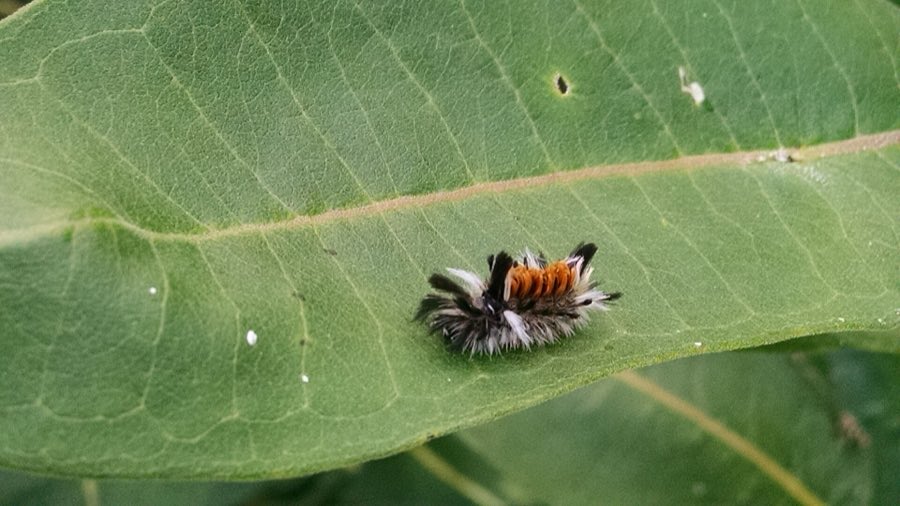
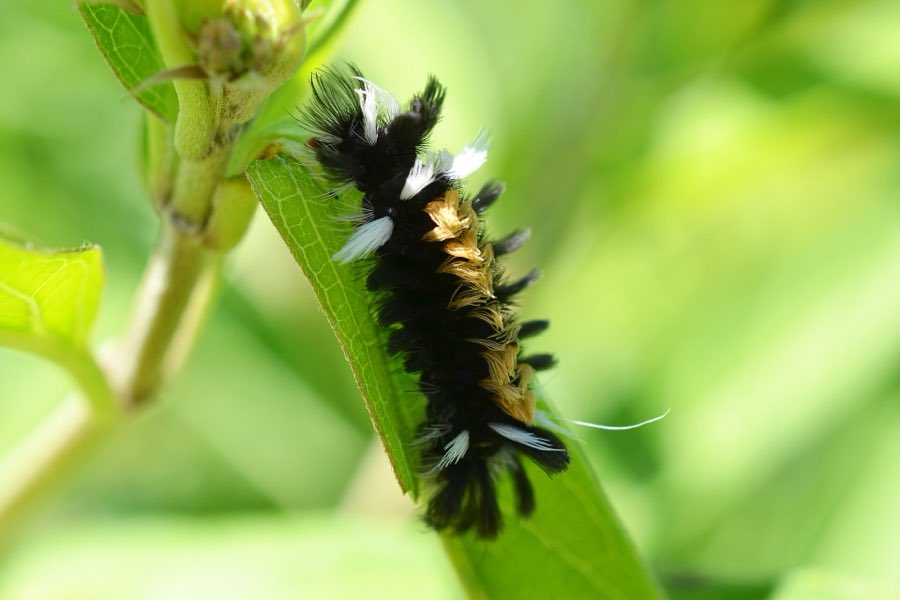
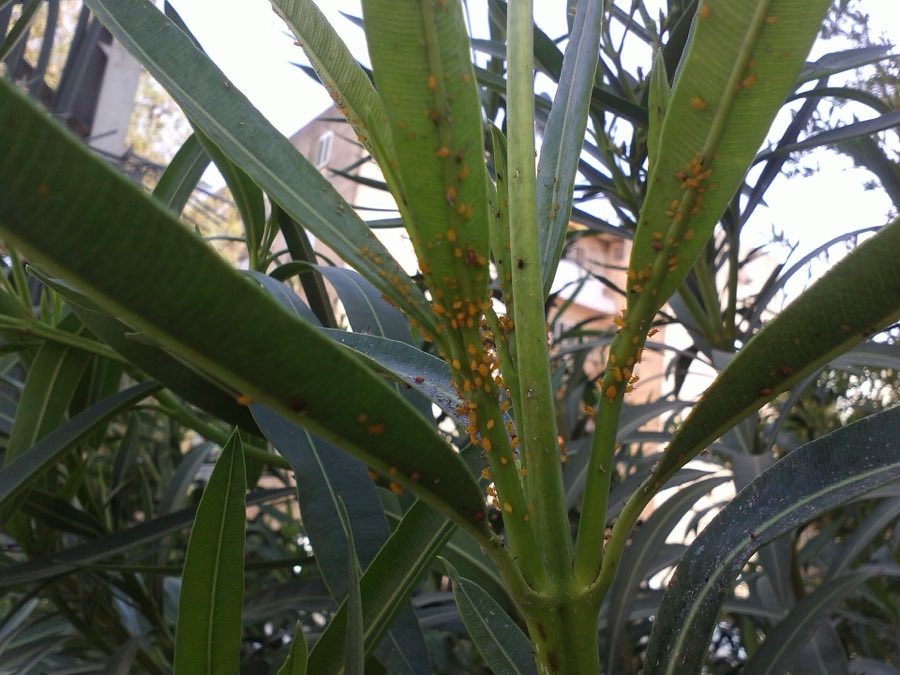
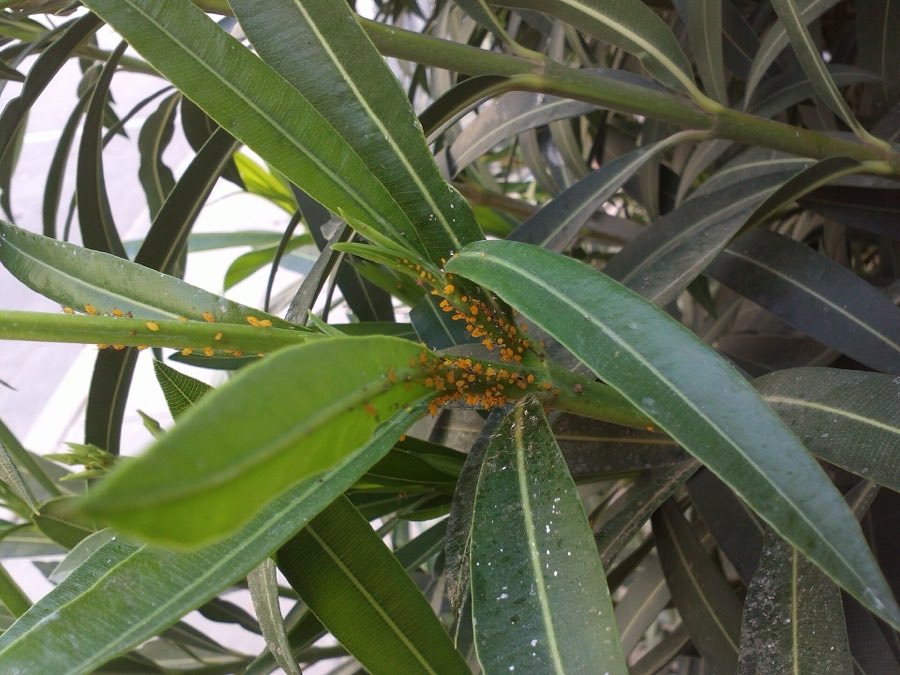
Why nearly all of them are orange and black
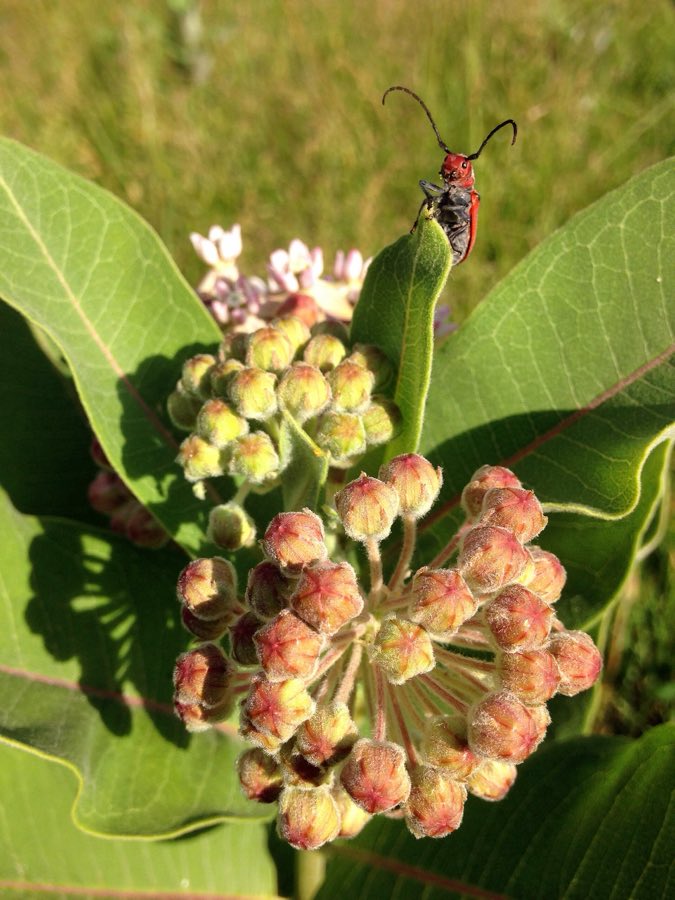
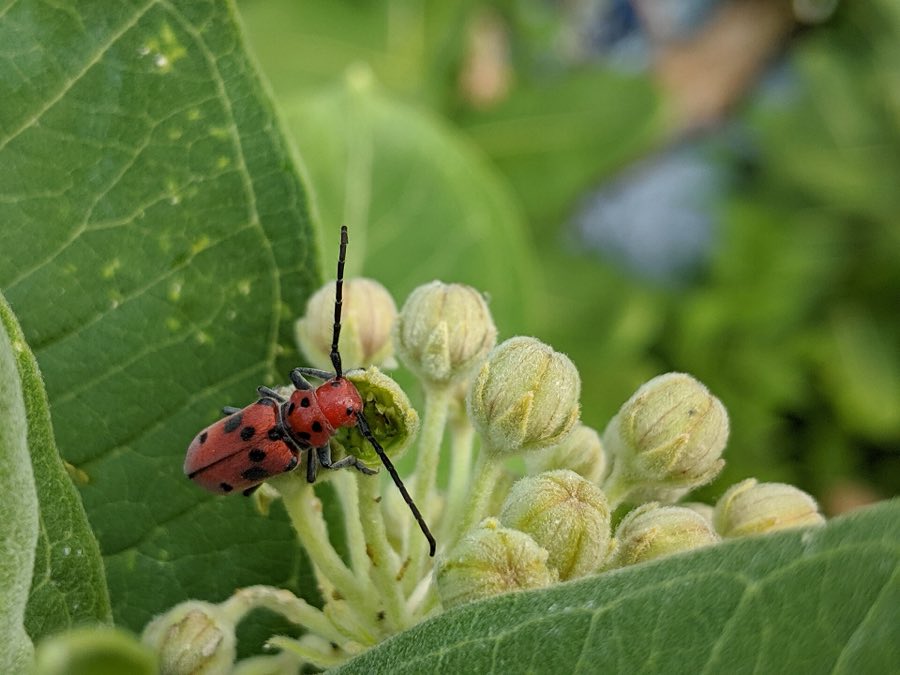
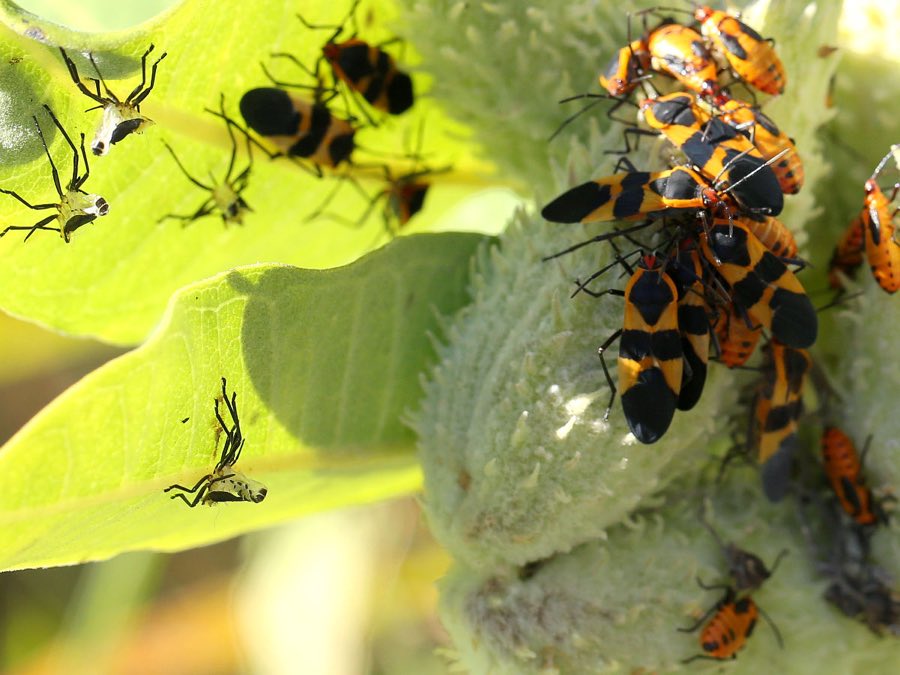
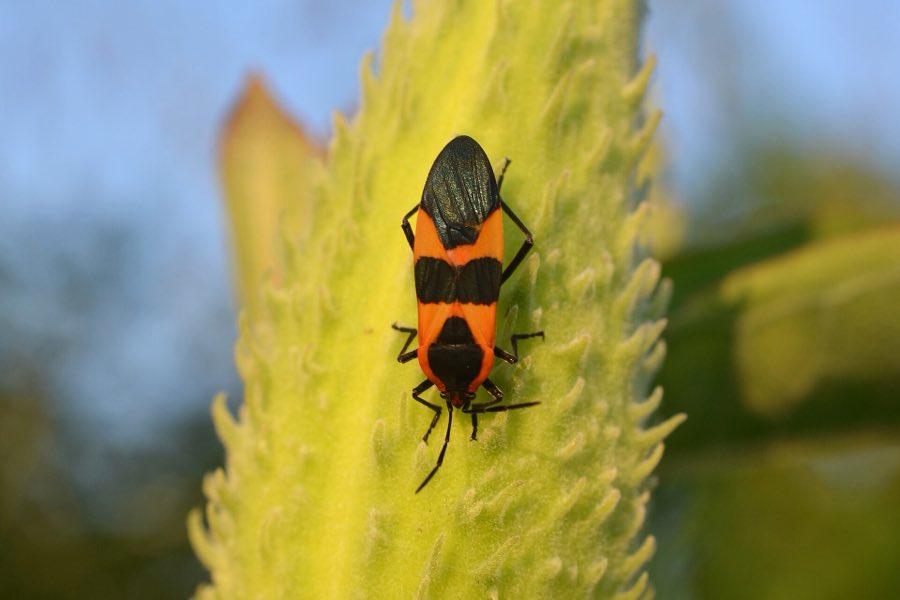
Line the milkweed specialists up and the resemblance is hard to miss: monarch, queen, large and small milkweed bug, red milkweed beetle, swamp milkweed leaf beetle, milkweed tussock moth, oleander aphid. Orange, red, yellow and black, over and over, on insects that are not closely related to one another at all.
They share a diet, and that diet comes with cardenolides, the heart-stopping compounds milkweed makes to protect itself. Every one of these insects has evolved a way to eat them anyway, and most go further and store the toxin in their own tissue. A bird that tries one and is sick learns to avoid what it looked like, and because they all look alike, that one bad experience protects the whole group. Each species genuinely is unpalatable, so nobody is freeloading. Biologists call this Müllerian mimicry, and a milkweed patch is one of the clearest examples of it anywhere.
The viceroy butterfly, long taught as a harmless mimic of the monarch, turns out to belong in this club too: it is unpalatable in its own right, from the salicylates in the willows its caterpillars eat.
Milkweed specialists
These insects eat Asclepias and almost nothing else. Most of them store the plant’s toxins in their own bodies and advertise it in orange, red and black, which is why a milkweed stand in August looks like it was color-matched.
Nectar visitors
Milkweed flowers are among the richest nectar sources in the North American flora, and they open in high summer when much else has finished. These come to drink.
Predators
Anything that reliably concentrates insects also concentrates the things that hunt them.
Birds
Two species take the plant apart for building material without eating a leaf of it.
Grazing animals
Almost everything with a backbone leaves milkweed alone, and the exceptions matter.
What a gardener should do about any of this
Almost always, nothing. Milkweed is a host plant, and a host plant covered in insects is a host plant doing its job. The one rule worth keeping is the hard one: do not spray anything. Insecticidal soap, neem, pyrethrin and horticultural oil all kill monarch eggs and young caterpillars, and a systemic neonicotinoid keeps killing them for months. The pests guide covers the handful of genuine problems.
The second thing is to leave the dead stems standing over winter and cut them in early spring. Orioles need the fiber, insects overwinter in the stems, and nothing is gained by a tidy bed in November.