Milkweed cultivars, and whether monarchs mind
A garden center sells you ‘Ice Ballet’, not Asclepias incarnata, and the question that follows is always whether it still counts. For milkweed the answer is usually yes, and the things actually worth checking are different ones.
A cultivar is a plant somebody selected and then propagated, usually for flower color, height or habit. When the parent is a native species the result gets called a nativar, and there is a long-running argument about whether nativars are as good for wildlife as the plants they came from.
For milkweed specifically, the argument is quieter than it is for most genera, and it is worth understanding why.
The short answer
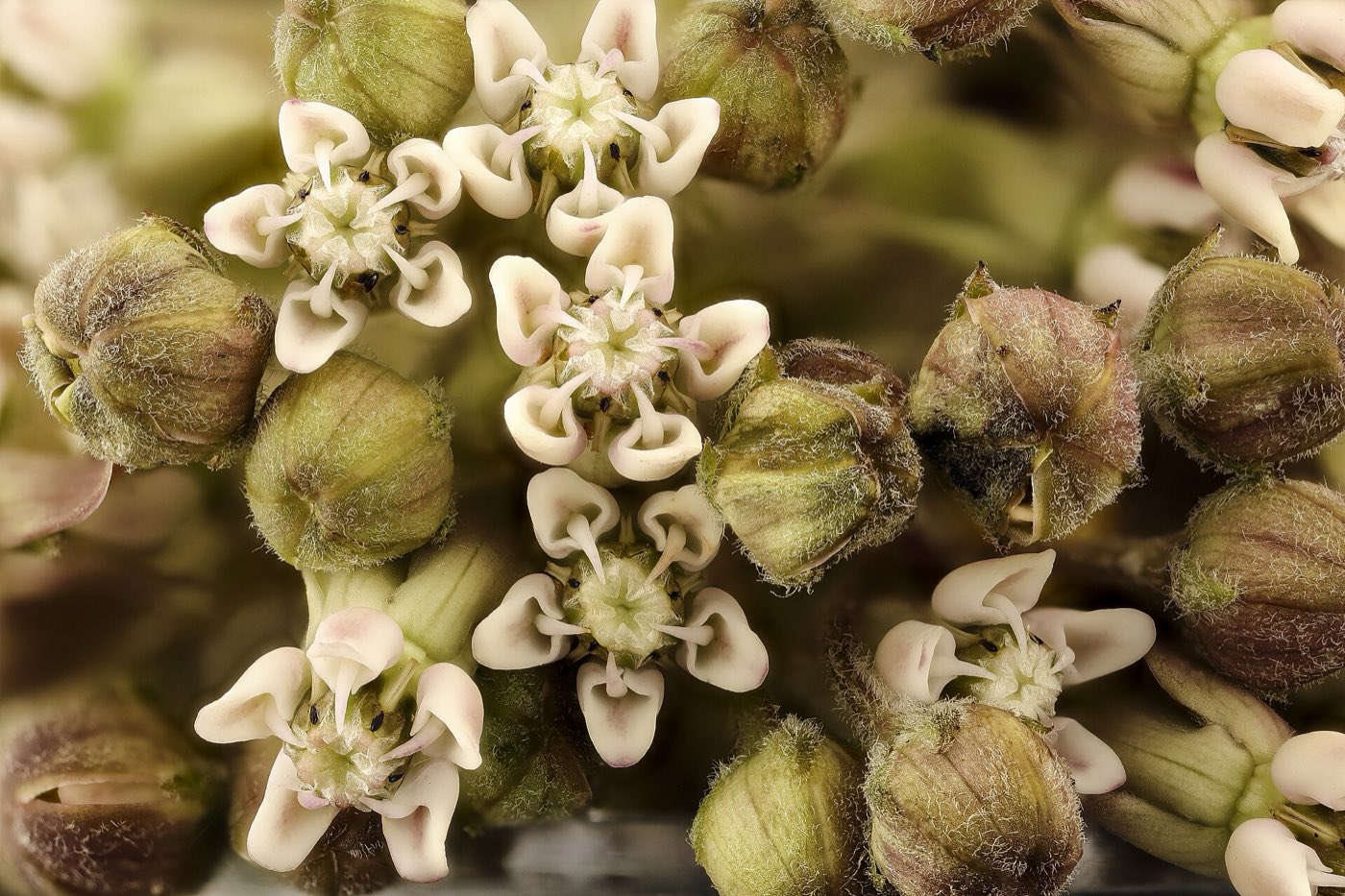
Monarchs lay on the common milkweed cultivars. The selections in the trade are for petal color, plant height and flower size. None of them alters the leaf chemistry that a monarch caterpillar is adapted to, and none removes the cardenolides that make the whole system work. A female looking for somewhere to lay finds ‘Ice Ballet’ as readily as she finds the pink form growing next to it.
That is not a general license for nativars. In other genera the evidence is genuinely mixed: work by Annie White and others has found that some native cultivars receive markedly fewer pollinator visits than the straight species, particularly where breeding changed flower shape or color enough to interfere with access. Most of that research is about nectar visitation by pollinators, not about larval host use, and milkweed selections have not changed the flower architecture in the way that, say, a doubled coneflower has.
What to check instead
Two things matter far more than whether the label carries a cultivar name.
Is it the right species for where you live? A garden center in Denver will happily sell you swamp milkweed, and swamp milkweed will happily sulk in dry Front Range soil. Check what is native to your state before anything else. This is the question that decides whether the plant lives.
Has it been sprayed? Neonicotinoid insecticides are systemic: they move through the plant, persist for months, and are lethal to caterpillars feeding on treated foliage. A plant grown for the mass market may well have been treated, and the label will not say. Ask, and if nobody can tell you, buy somewhere that can. Where to buy milkweed lists nurseries that know their own stock.
Those two questions decide almost everything. The cultivar name decides very little.
Where cultivars genuinely are the wrong choice
Restoration and prairie seeding. A cultivar is a clone or a narrow selection, and planting acres of it puts a very small amount of genetic diversity into a landscape that will have to cope with a changing climate. For anything larger than a garden, ask for straight species of local provenance, ideally seed collected within a few hundred miles. Some suppliers sell exactly this, and it is worth the extra effort.
Anything with variegated foliage. Variegation means less chlorophyll, which means a smaller, slower plant with less leaf on it. A caterpillar needs leaf area above all else. A variegated milkweed is a worse host than a plain one, straightforwardly.
Tropical milkweed, whatever the cultivar is called. ‘Silky Gold’ and ‘Monarch Promise’ are attractive plants and they carry every problem the species has. The tropical milkweed guide sets out why, and none of it is fixed by a prettier flower.
The cultivars you will actually meet
Swamp Milkweed Asclepias incarnata
3 to 4 ft ‘Ice Ballet’The white swamp milkweed most nurseries stock, and a genuinely good garden plant: sturdy stems that do not flop, a long season, and the same clump-forming habit as the species. Monarchs use it exactly as they use the pink form.
3 to 4 ft ‘Cinderella’Larger, more strongly domed flower heads than the straight species and a distinct vanilla scent. Bred for the border and behaves like it.
3 to 4 ft ‘Soulmate’The deepest pink of the common swamp milkweed selections, and the strongest contrast between petals and hoods. Blooms a little earlier than Ice Ballet.
3 to 4 ft ‘Milkmaid’Another white selection, less widely distributed than Ice Ballet and hard to tell apart from it in flower.
Butterfly Weed Asclepias tuberosa
2 to 3 ft ‘Gay Butterflies’A seed strain rather than a clone, so a packet gives a mix of colors and the plants vary. That variability is a point in its favor: it keeps more genetic diversity than a cutting-grown cultivar.
1.5 to 2 ft ‘Hello Yellow’A pure yellow butterfly weed, shorter and tidier than the species. Yellow forms occur naturally in wild populations, so this is a selection rather than an invention.
2 to 3 ft ‘Blonde Bombshell’A more recent yellow selection, taller than Hello Yellow and reportedly more uniform from seed.
Showy Milkweed Asclepias speciosa
3 to 4 ft ‘Davis’A seed release rather than a garden cultivar, selected for restoration plantings in the Great Basin and Intermountain West. If you are seeding acres rather than planting a border, this is the kind of material to ask for.
Tropical Milkweed Asclepias curassavica
Not native Everything below inherits the problems of its parent species. Why tropical milkweed is a poor choice.
2 to 3 ft ‘Silky Gold’ cautionA handsome plant with a real problem behind it. Every objection to tropical milkweed applies here unchanged: in a frost-free garden it never dies back, monarchs stop migrating, and OE parasite loads build.
2 to 3 ft ‘Silky Red’ cautionThe standard tropical milkweed coloring, sold under several names including Red Butterfly. Same species, same problem.
2 to 3 ft ‘Monarch Promise’ cautionVariegated tropical milkweed, marketed hard at monarch gardeners. Variegation means less chlorophyll and less leaf, so a caterpillar gets less food per plant, and it is still tropical milkweed underneath.
More about tropical milkweed →
Where to look for evidence
Mt. Cuba Center in Delaware runs multi-year trials of native perennials and their cultivars side by side, scoring garden performance and, in recent trials, pollinator visitation. They have trialed Asclepias, and their reports are free, specific and unusually honest about what did badly. If you want to know whether a particular selection is worth the money, that is the place to look rather than the plant tag.
So: cultivar or straight species?
In a garden, plant whichever you can get, of the right species, that has not been sprayed. A cultivar in the ground beats a straight species you never found.
On land you are restoring, use straight species of local origin, and take the trouble to source it properly.
And in either case, plant more than one. Ten stems in a group is the number a female monarch reliably finds; one plant of anything is decoration.
Frequently asked questions
Are milkweed cultivars bad for monarchs?
No. Monarchs lay eggs on the common milkweed cultivars as readily as on the straight species, because the selections are for flower color and height and do not alter the leaf chemistry. The exceptions are variegated selections, which carry less leaf, and any cultivar of tropical milkweed, which inherits that species’ problems.
Is Ice Ballet milkweed good for monarchs?
Yes. It is a white-flowered selection of swamp milkweed, Asclepias incarnata, with the same habit, the same season and the same value as a host plant. It is one of the most widely available and most reliable garden milkweeds.
What is a nativar?
A cultivar of a native species: a plant somebody selected out of a wild population, or bred from one, and then propagated. The word carries an argument about whether such plants serve wildlife as well as the originals. For milkweed the evidence says they largely do; for some other genera it is less settled.
Should I use cultivars for a prairie planting?
No. Use straight species of local provenance. A cultivar is a clone or a narrow selection, and seeding acres of one puts very little genetic diversity into a landscape that will need it. Cultivars are a garden choice, not a restoration one.
Is Silky Gold milkweed safe to plant?
It is a cultivar of tropical milkweed, so it carries the same problems: in a frost-free area it does not die back, which lets monarchs stop migrating and lets OE parasite loads build. Plant a species native to your state instead.
Cite this page
This page is licensed CC BY 4.0. Quote it, adapt it and reuse it, including commercially, as long as you credit Milkweed USA and link back.
Milkweed USA. (2026). Milkweed cultivars, and whether monarchs mind. Retrieved DATE, from https://milkweedusa.com/guides/milkweed-cultivars/
"Milkweed cultivars, and whether monarchs mind." Milkweed USA, 2026, https://milkweedusa.com/guides/milkweed-cultivars/. Accessed DATE.
Milkweed USA. "Milkweed cultivars, and whether monarchs mind." Last modified 2026-08-01. Accessed DATE. https://milkweedusa.com/guides/milkweed-cultivars/.
@misc{milkweedusa_guidesmilkweedcultivars,
  title  = {Milkweed cultivars, and whether monarchs mind},
  author = {{Milkweed USA}},
  year   = {2026},
  url    = {https://milkweedusa.com/guides/milkweed-cultivars/},
  note   = {Accessed DATE}
}